Fabric Shades made simple: Frames, Harps & Tips
Fabric Lampshade Made Simple:
Frames, Harps & Tips
Fabric lampshades can seem tricky — with all the different types of frames, harps, and fittings, it’s easy to get overwhelmed. In this guide, we’ll break it down simply: how to understand the different components, what to look for when choosing a fabric lampshade, and tips to make sure you order exactly what you need. Whether you’re refreshing a room or specifying shades for a project, this guide will help make the process stress-free.
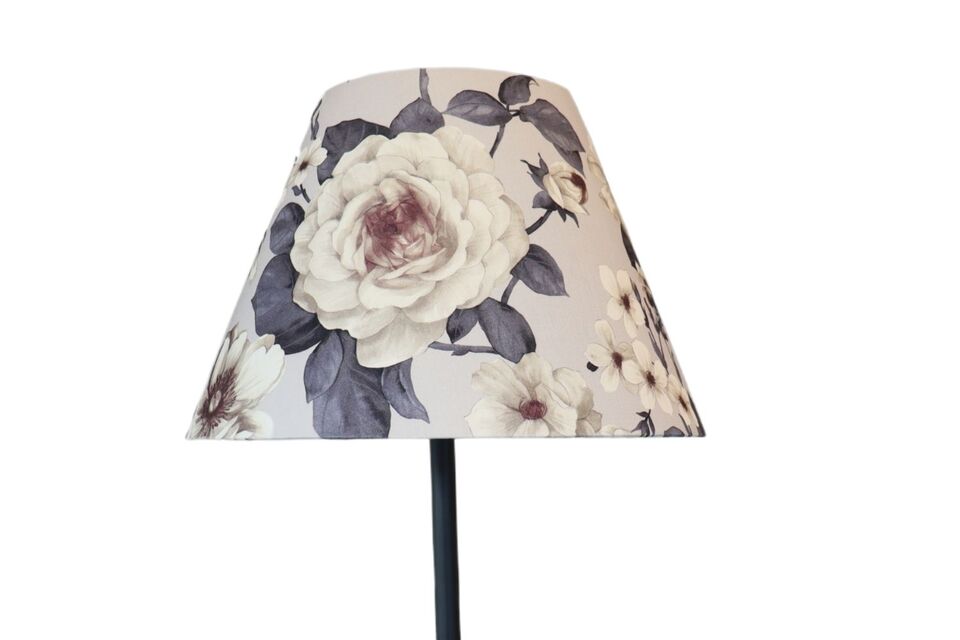
1. Types of Frames
The frame is the skeleton of the fabric lampshade and determines its shape, stability, and how it attaches to the lamp. Common types include:
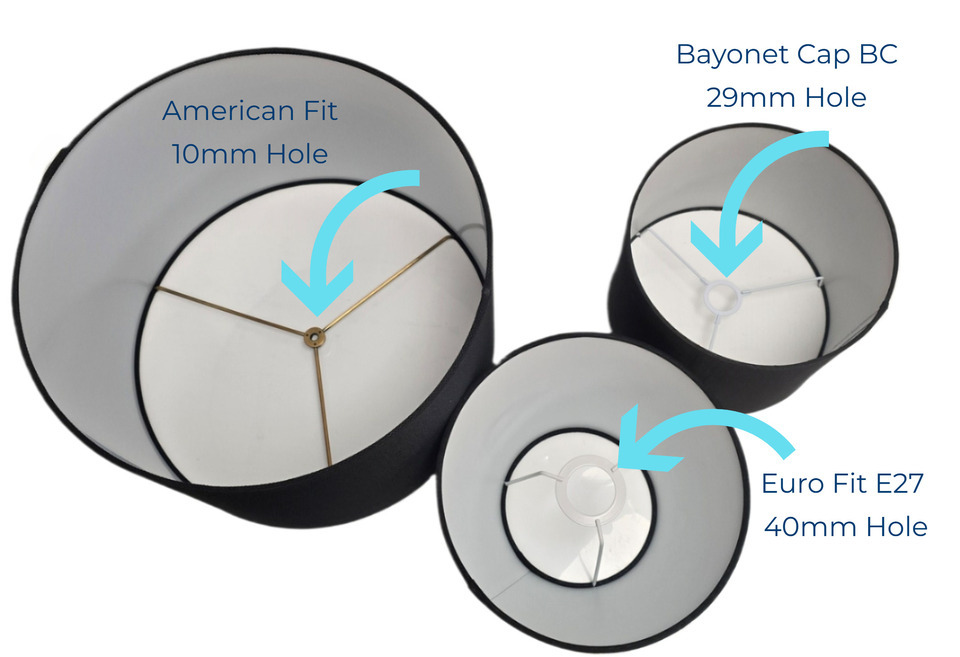
- BC Harp – Frame with a 29mm diameter hole to sit on a bayonet lampholder (B22), usually sits approx. 40mm up from the bottom of the shade for table and floor lamps.
- Euro Harp – Frame with a 40mm diameter hole to sit on an Edison screw lampholder (E27), usually sits approx. 40mm up from the bottom of the shade for table and floor lamps.
- American Harp – Attaches at the top of the shade with a small 10mm hole.
- Clip-on – Attaches directly to the bulb, usually for very small lamps or decorative lights.
lightbulb Tip: Always check the lamp’s fitting before ordering a fabric lampshade — the wrong frame can make the shade unusable.
2. Understanding Harps - Making it work
The harp is the metal piece that attaches the fabric lampshade to the lamp base.
Key points:
- If you have a Euro harp (40mm) but a Baynonet cap lampholder (29mm), you can use a washer SWA008 to make it fit.
- If you have a BC harp (29mm) but an ES lampholder (40mm), it will not work — your only option is to rewire your lampholder. We offer a repair service if needed.
- American harps are not as common, but it is no problem to custom make them.
- Fabric shades for pendants (Hanging Shades) are always fitted at the top of the frame.
- For batten fix shades, you will need a flat harp — these must be custom made
- For Floor and Table lamps that "over-hang" (like the STL345), these are treated as "Pendant" Shades
- And lastly, if its and unusal item (like an wall swing arm shade, or a very unusal harp) then simply contact us for advice.

When you have a BC lampholder and the shade is Euro - easy solution just add a washer SWA008

When flush to ceiling on a batten holder we use flat harps at the top
3. Ordering Terminology
Using the correct terminology when ordering fabric lampshades helps avoid mistakes:
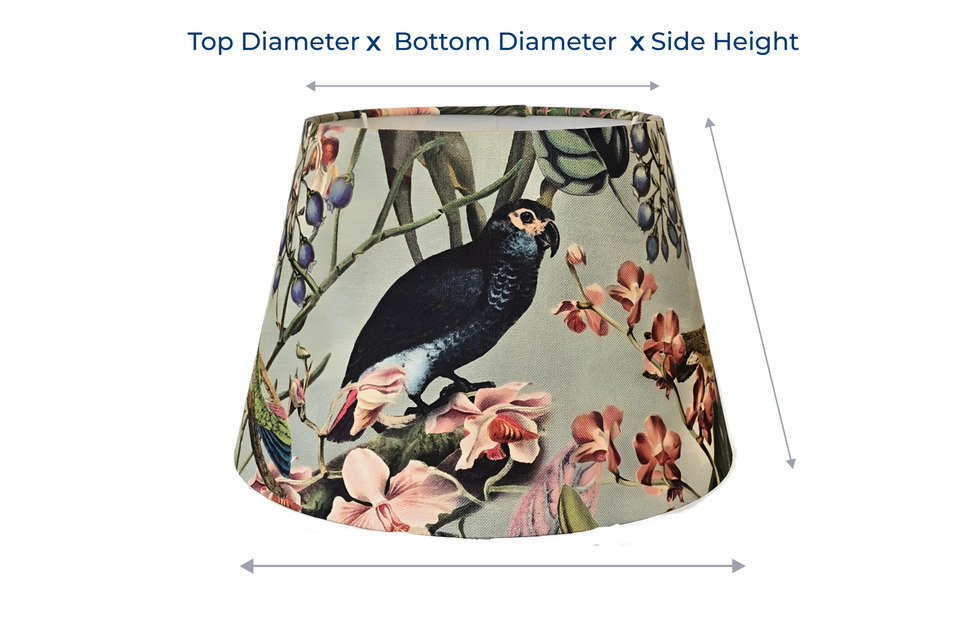
- Top Diameter (TD) – Width across the top of the shade.
- Bottom Diameter (BD) – Width across the bottom.
- Height – Vertical distance from top to bottom; if conical, measured down the slope.
- Fitting type – Euro, BC, American.
- Fitting style – Pendant, Tablelamp, or Batten Fix.
- Fabric – Name and number if using our fabrics.
- Finish – Double laminated or lining required.
lightbulb Tip: Always double-check measurements and frame type before confirming an order — it saves time and avoids costly returns.
4. Tips for Sizing & Placement
Fabric lampshades can be tricky to get right without the lamp base to try them on.
- Local customers: You are more than welcome to bring in your lamp base to try different shapes.
- Non-local customers: Send a photo and measurements of your base — we can match a similar one in the shop and send photos.
Additional tips:
- If a table lamp has a curved design, it usually suits a shade with at least a slight taper.
- For a table lamp with a small footprint, a fabric lampshade with a smaller top diameter works best — avoid wide tops.
- Table lamps: Shade height should be about two-thirds the height of the lamp base.
- Standard floor lamps: Smallest diameter is usually 450mm to look balanced.

This base looks balanced with a drum or a conical shade

Sizes and shapes can depending on on its setting as well
5. Colouring
- Light fabrics will evenly light the fabric shade and let the light come through
- Dark fabrics will put light down and up
- Strong rich colours will create a glow in that colour
- Dont forget, you can slightly change the colour by changing lightbulbs from warm, cool or daylight
6. Final Thoughts
Fabric shades are an easy way to refresh a space, but understanding the components and using the correct terminology makes the process much smoother. Whether you’re a homeowner or working on a project, a little knowledge goes a long way in ensuring your shade fits, functions, and looks perfect.
lightbulb Get in touch if you’d like samples or advice on choosing the right frame, harp, or fabric for your lamps — we’re happy to help!
Posted: Thursday 12 March 2026