LED Lightbulbs explained
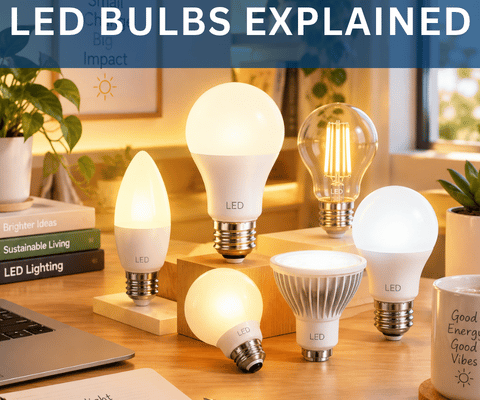
LED Lightbulbs Explained....
When people think about improving the energy efficiency of their home lighting, they often assume it means replacing fittings with recessed downlights.
But that isn’t the case.
One of the simplest and most effective upgrades you can make is simply switching your lightbulbs to LED.
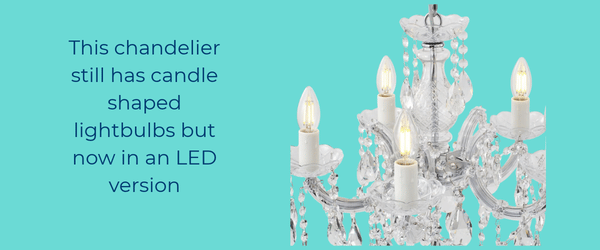
This means you can keep the beautiful lighting you already love—pendants, table lamps, floor lamps, wall lights, and chandeliers—while still dramatically reducing energy use.
Why Choose LED Lightbulbs?
LED lighting has completely changed how we light our homes. It allows you to enjoy warm, decorative, and functional lighting while being far more efficient than traditional bulbs.
Use up to 90% less power
LED bulbs use only a fraction of the electricity of traditional incandescent bulbs, helping reduce energy bills.
Last much longer
A good quality LED bulb can last up to 15 times longer, meaning fewer replacements and less maintenance.
Instant light
No warm-up time—LED bulbs reach full brightness immediately.
Less heat
LEDs waste far less energy as heat, making them safer and more efficient.
Dimmable options available
Many LED bulbs can be used with compatible dimmers, allowing you to adjust the mood and brightness of a room.
Understanding LED Wattage
One of the most common questions is how LED wattage compares to traditional bulbs.
With LEDs, wattage measures energy use—not brightness.
As a general guide, LED bulbs use around one-tenth of the power of a traditional incandescent bulb while producing a similar light output.
Traditional Bulb |
LED Wattage |
Brightness & Typical Use |
|---|---|---|
|
40W |
4–5W |
400–470 lumens – softer, decorative lighting |
|
60W |
6–7W |
600–700 lumens – gentle everyday lighting |
|
75W |
8W |
Around 800 lumens – popular everyday brightness |
|
100W |
10–12W |
1,000–1,200 lumens – brighter lighting for larger spaces |
These are approximate equivalents and can vary between LED brands and models.
For example, an 8W LED bulb producing around 800 lumens can provide similar brightness to a traditional 75W incandescent bulb, while using considerably less electricity.
The higher the lumens, the brighter the light.
Do You Need Dimmable LED Bulbs?
If your light fitting is connected to a dimmer switch, it's important to choose an LED bulb specifically labelled as dimmable.
Not all LED bulbs are dimmable, and using a non-dimmable bulb with a dimmer switch can cause flickering, buzzing or damage to the bulb.
It's also worth checking that your existing dimmer switch is compatible with LED lighting, as some older dimmers may not work correctly with LED bulbs.
LEDs Come in Many Shapes and Styles
One of the biggest advantages of modern LED lighting is the variety available.
You don’t need to compromise the look of your lighting to be energy efficient.
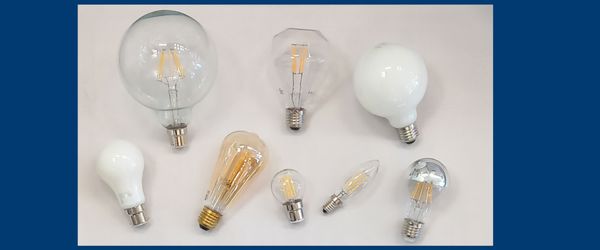
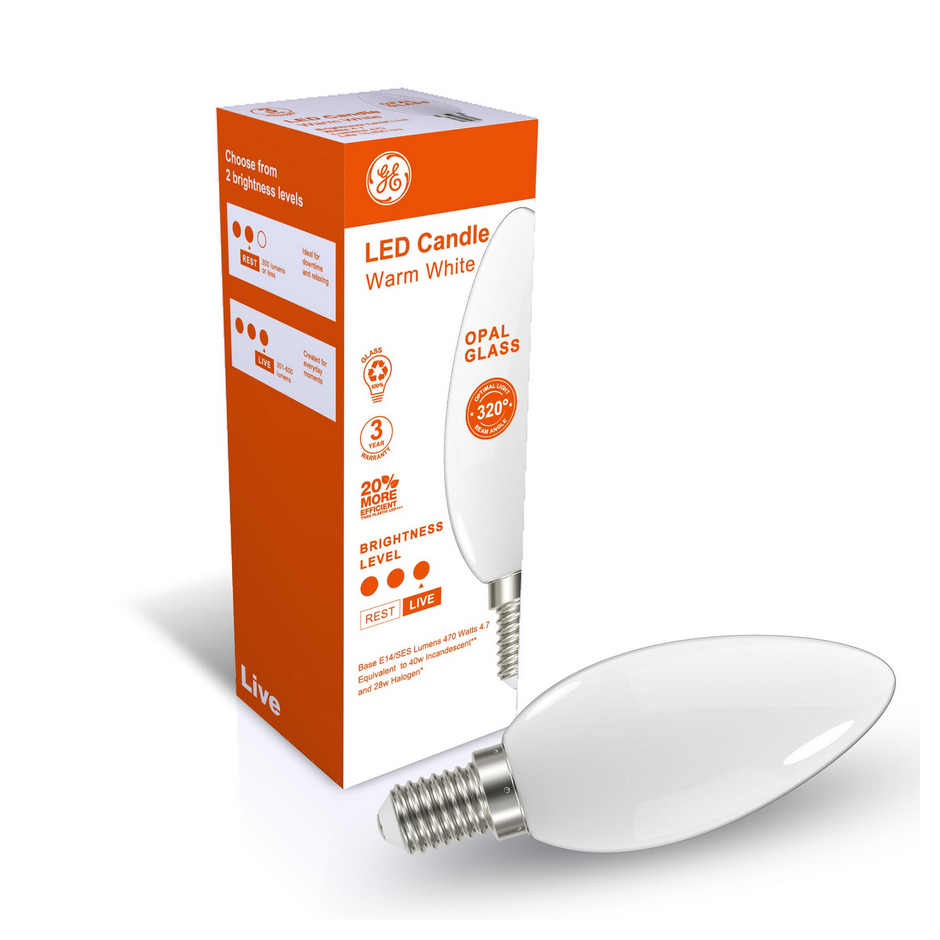
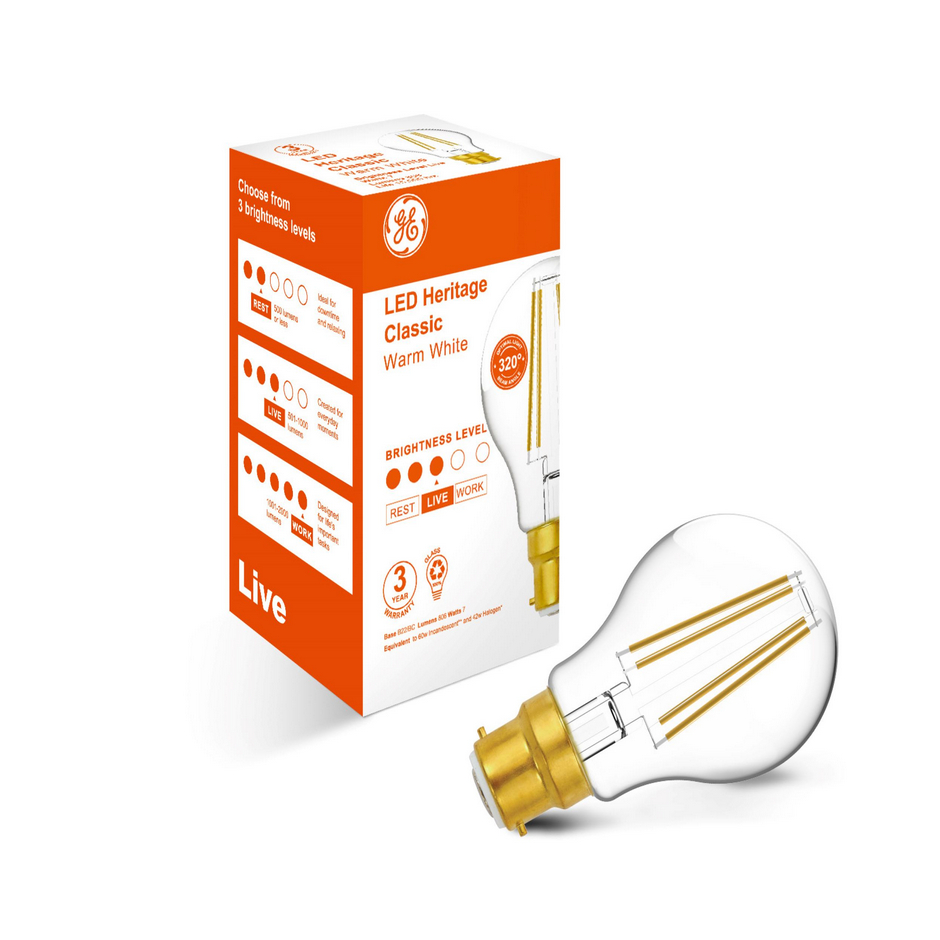
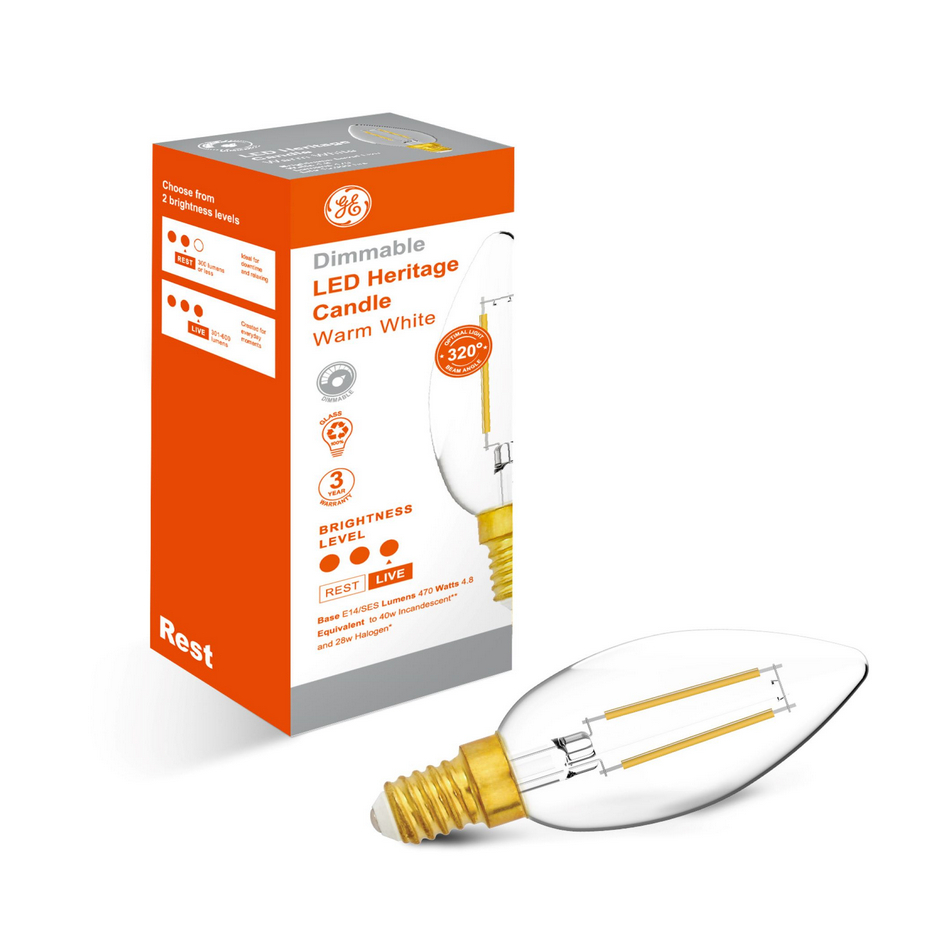
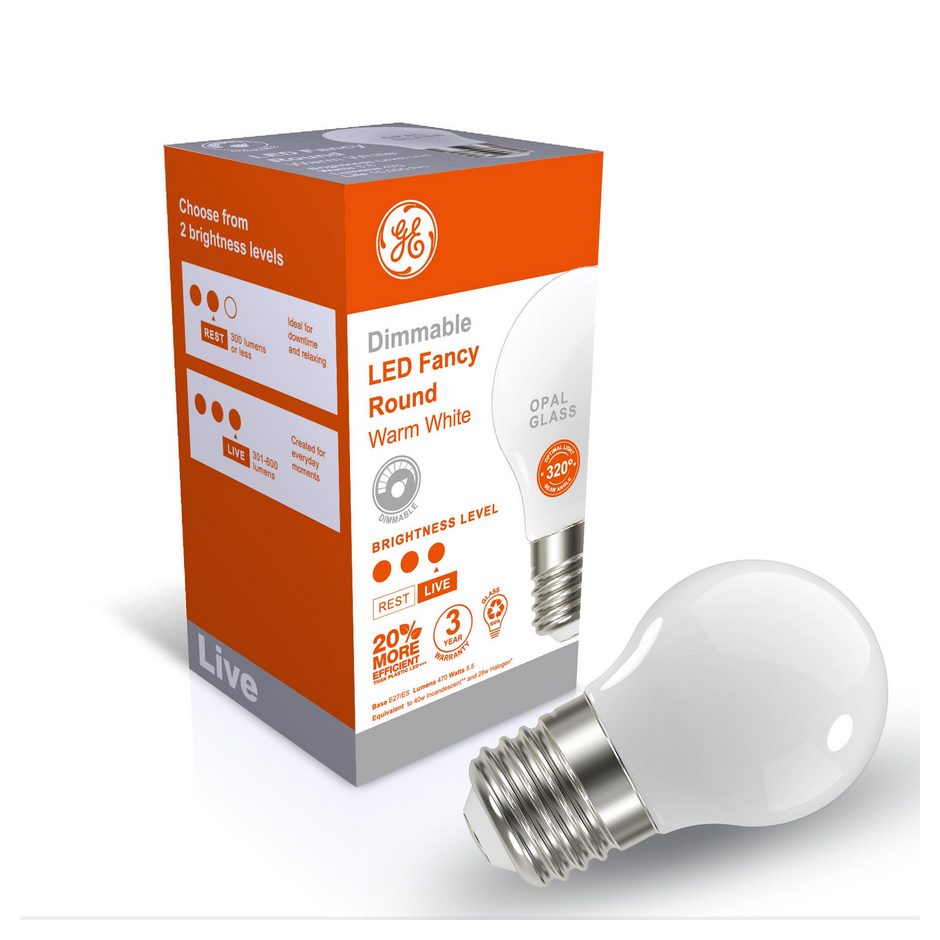
LED bulbs now come in many shapes, including:
- Candle bulbs
- Golfball bulbs
- GLS standard bulbs
- Globe bulbs
- Tubular bulbs
- Filament-style decorative bulbs
- Reflector bulbs
This means you can maintain the style of your fittings while upgrading the performance inside them.
Product Title
Product Title
Product Title
Product Title
Choosing the Right Colour Temperature
LED bulbs are available in different colour temperatures, allowing you to set the mood of a space.
Warm White (2700K–3000K)
Soft and inviting—ideal for living rooms, bedrooms, and decorative lighting.
Cool White (4000K)
Clean and crisp—commonly used in kitchens, bathrooms, and work areas.
Daylight (5000K–6000K)
Bright and energising—best for task lighting, workshops, and commercial spaces.

Warm Light
Notice the colour in the wall and in the cupboards

Cool White
Notice the colour change on the wall and cupboards.

Day Light
Notice the colour change on the wall and cupboards.
By thinking about your colours in a room and how you are going to use that room you can choose the correct colour to suit what you need.
Beautiful Lighting Doesn’t Need to Change
Good lighting is about atmosphere, style, and comfort—not just efficiency.
By switching to LED lightbulbs, you don’t need to replace your fittings or lose the character of your lighting. Instead, you can keep the pieces you love and simply upgrade what’s inside them.
Sometimes the most effective lighting change isn’t a new fitting—it’s simply the right bulb.
Ready to make the switch?
Explore our range of LED bulbs, including popular everyday options and decorative filament styles LED LIGHTBULBS
Posted: Wednesday 25 November 2026